
QR code loyalty programs: how they work and why they beat paper cards
A QR code loyalty program replaces the paper punch card with one code on your counter. The customer scans, their stamp card appears in the phone browser, and the visit is recorded — no app download, no card to lose, no stamp to forge.
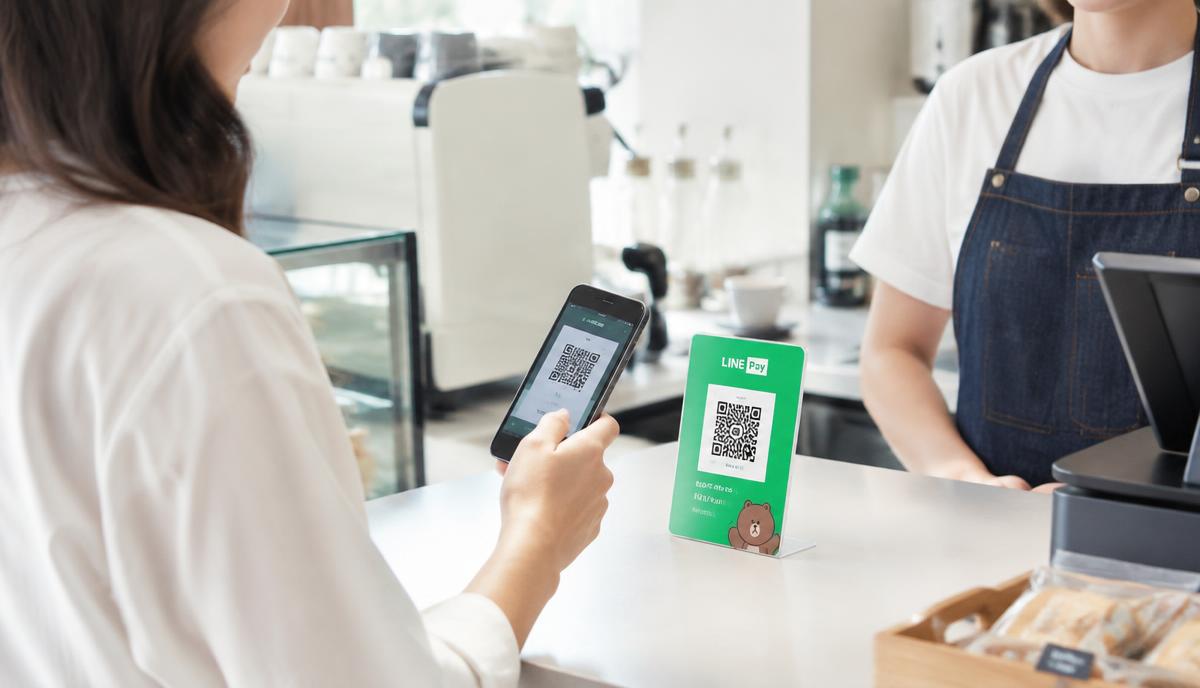
What actually happens when a customer scans
The QR code points at a web page that belongs to your shop. When someone scans it with the phone camera, the page opens in their browser and asks for a phone number or email once. From then on, the same phone recognises them instantly.
Each scan adds a stamp to their card. When the card is full, the reward you configured — a free coffee, a free wash, a free treatment — becomes claimable, and your dashboard shows it.
Why QR beats paper punch cards
- Nothing to carry: the card lives on the phone, so it can never be left at home.
- Nothing to forge: stamps are added by your server, not by a rubber stamp anyone can copy.
- You get data: with paper you learn nothing; with QR you see visits, repeat rate and quiet hours.
- One code, many branches: location matching sends each scan to the nearest outlet.
- Reprinting is free: the code never changes, so one poster lasts forever.
How misuse is prevented
The common worry is a customer scanning ten times in a row. A sensible QR loyalty setup adds a cooldown between stamps and a daily cap per customer, and decides both on the server rather than on the phone. rtnflw applies these checks on every scan.
What to set up first
- One clear reward that is easy to say out loud: '10 visits, free coffee'.
- A printed QR stand exactly where people pay.
- A single sentence your staff says at checkout: 'Scan this and your next one gets you closer to a free coffee.'